Quick answer
Pack rooms you use least first: garage, guest room, closets, then the kitchen. Keep boxes in air conditioning, never in a hot garage. Pack only dry items. Leave out propane, paint, aerosols and pool chemicals. Carry heat-sensitive things like medications, candles, photos, electronics and wine in your own car. Finish with a first-night box.
A good packing checklist for moving in Florida is mostly a regular checklist with two extra rules: keep the boxes cool and dry, and keep heat-sensitive items off the truck. The order below goes room by room, from the spaces you can live without to the ones you need until the last night.
South Florida adds its own problems. Cardboard soaks up humidity in a garage and goes soft. Tape lets go on damp boxes. A closed truck sitting in a summer driveway gets far hotter than the air outside. Plan for all three and the boxes will arrive the way you packed them.
Before you start: supplies and a packing station
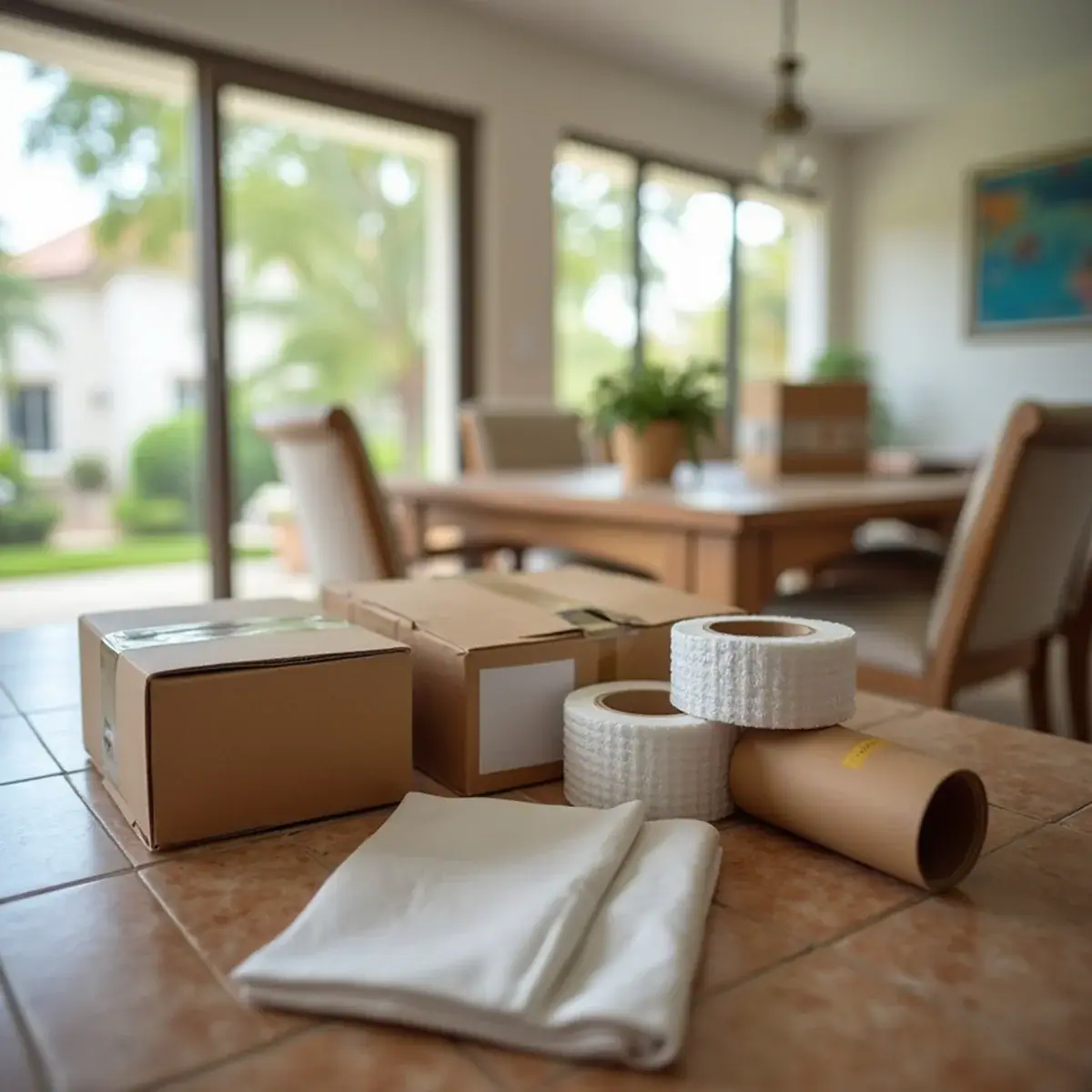
- Boxes in three sizes. Small for books and canned goods, medium for kitchen and toys, large only for light things like linens and pillows.
- Dish boxes and wardrobe cartons. Double-wall dish packs for the kitchen, wardrobe boxes so hanging clothes go straight from closet to closet.
- Plain packing paper, not newspaper, which smudges onto plates and fabric.
- Good tape and markers. Two strips across the bottom of every box, three if it is heavy.
- A packing station in an air-conditioned room. Assemble, fill and stack boxes inside, not in the garage.
Label every box on two sides with the room and a short content note. Number them and keep a simple list on your phone.
Garage, lanai and storage: pack these first
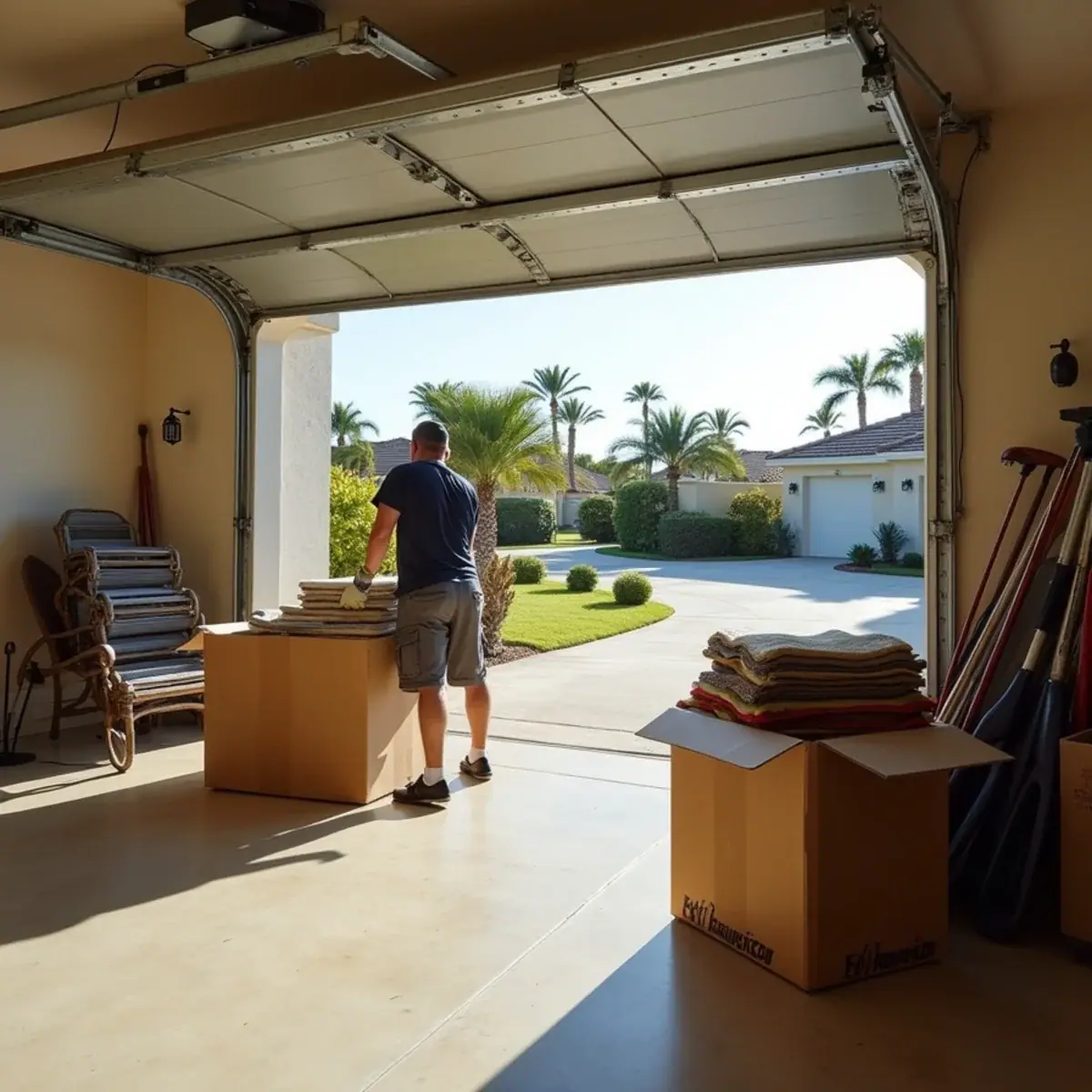
Start where you will not miss anything for a few weeks. Clear out before you pack: old paint, broken tools and expired chemicals cost labor time to load and space on the truck.
- Drain gas and oil from mowers, trimmers and pressure washers, or plan to move them yourself.
- Clean and dry patio furniture and cushions before wrapping. Damp cushions in a closed box come out mildewed.
- Bundle long-handled tools with tape. Box small hand tools in small, heavy-duty cartons.
- Hurricane shutters and panels: stack, count and label them so they go back on the right windows.
Never on the truck
Propane tanks, gasoline, paint, aerosols, pool chemicals, ammunition, fireworks and cleaning solvents. Movers will not carry them, and Florida truck heat makes them dangerous. Use them up, give them away or take them to a county household hazardous waste drop-off.
Bedrooms and closets
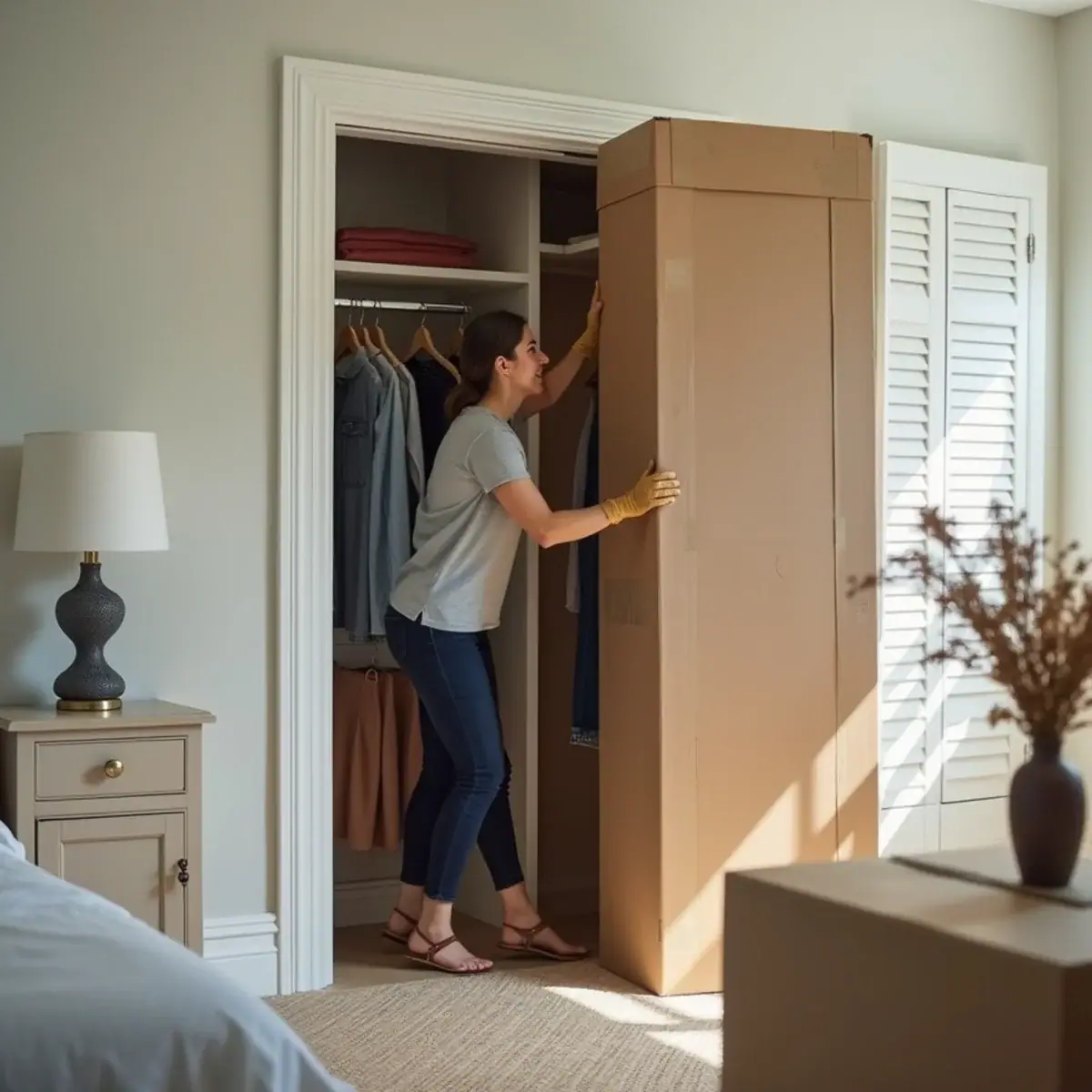
- Off-season clothes first. In South Florida that usually means the few sweaters and jackets you own, plus beach gear.
- Hanging clothes go in wardrobe cartons on move week.
- Leave dresser drawers light. Remove anything heavy or breakable, and ask the mover whether drawers can stay filled with soft clothes.
- Take beds apart the day before or let the crew do it. Bag and tape bolts to the headboard.
- Strip beds on the last morning and put sheets for the first night in your essentials box.
Kitchen: the room that takes longest
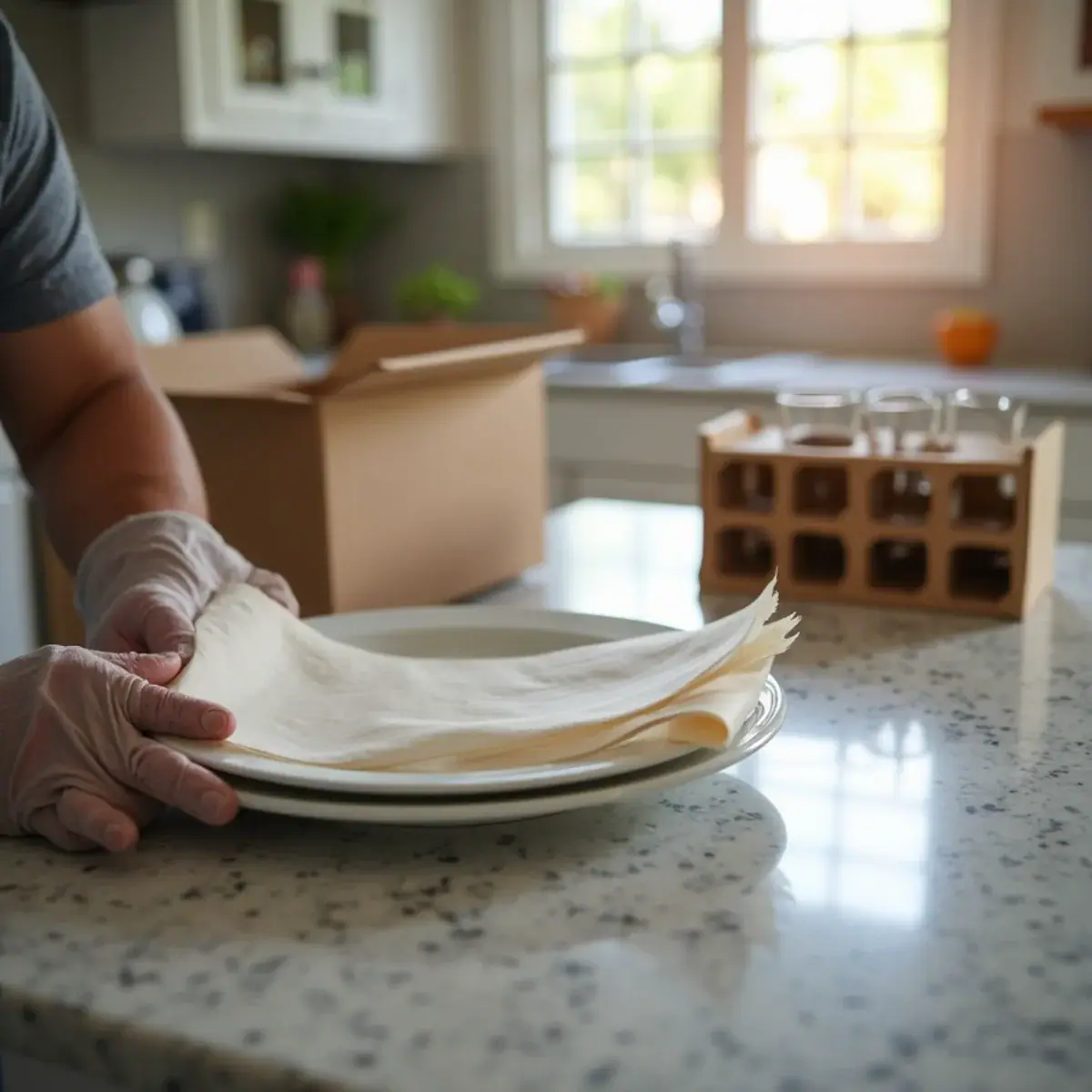
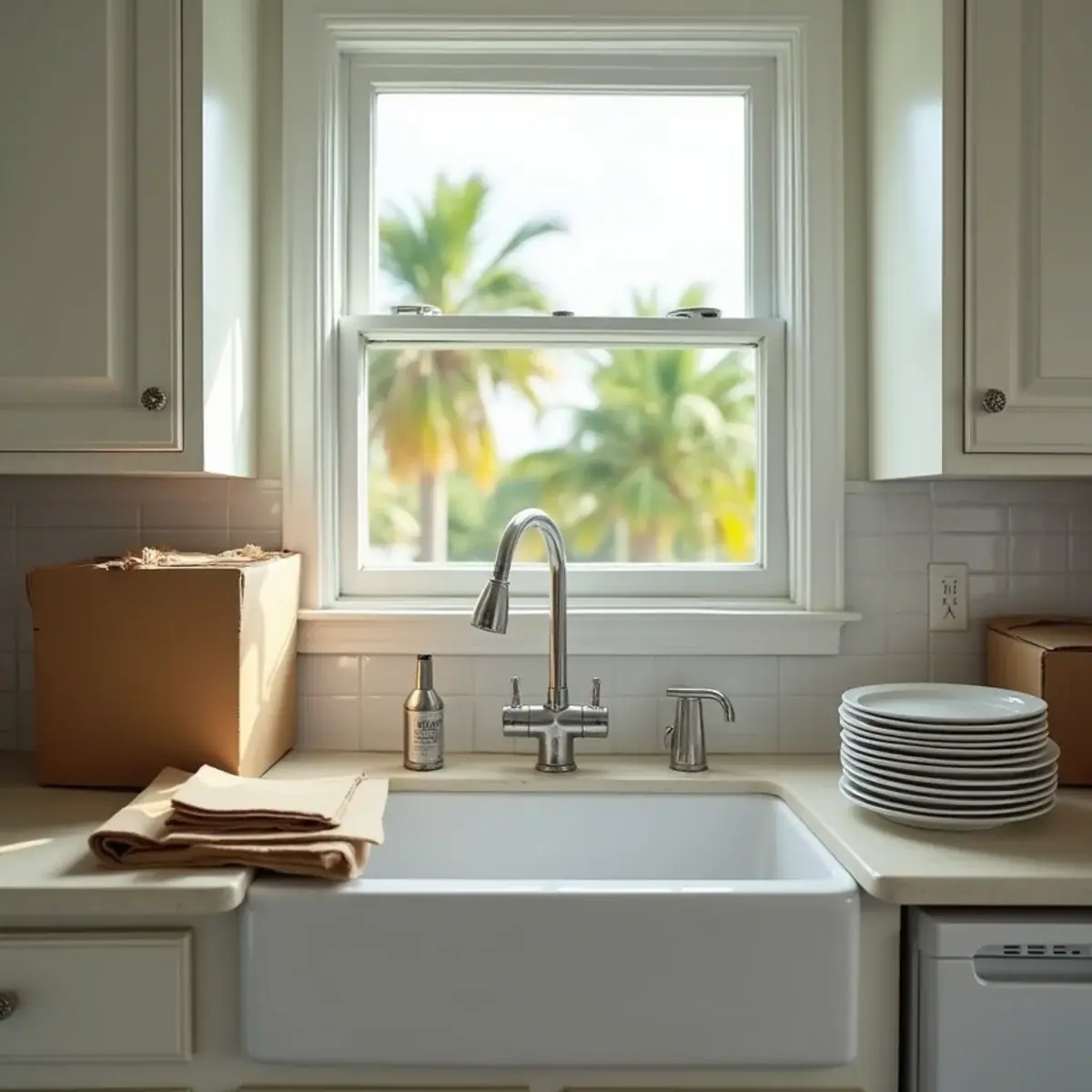
Budget more time here than anywhere else. A full kitchen often takes a whole day for one person.
- Plates on edge, like records, with paper between each. Never stack them flat.
- Glasses and stemware in cell-divided dish packs, each glass wrapped.
- Pantry. Pack sealed dry goods only. Open flour and sugar attract insects in a warm truck; toss or tape them shut.
- Refrigerator. Empty, clean and defrost it at least a day ahead, and dry it fully. A damp, closed fridge smells by the next afternoon.
- Keep out one pan, a few dishes, coffee and a sponge until the last day.
If the kitchen is the room you dread, have a crew pack only that room. Our packing services page explains full, partial and kitchen-only packing.
Living room, electronics and bathrooms
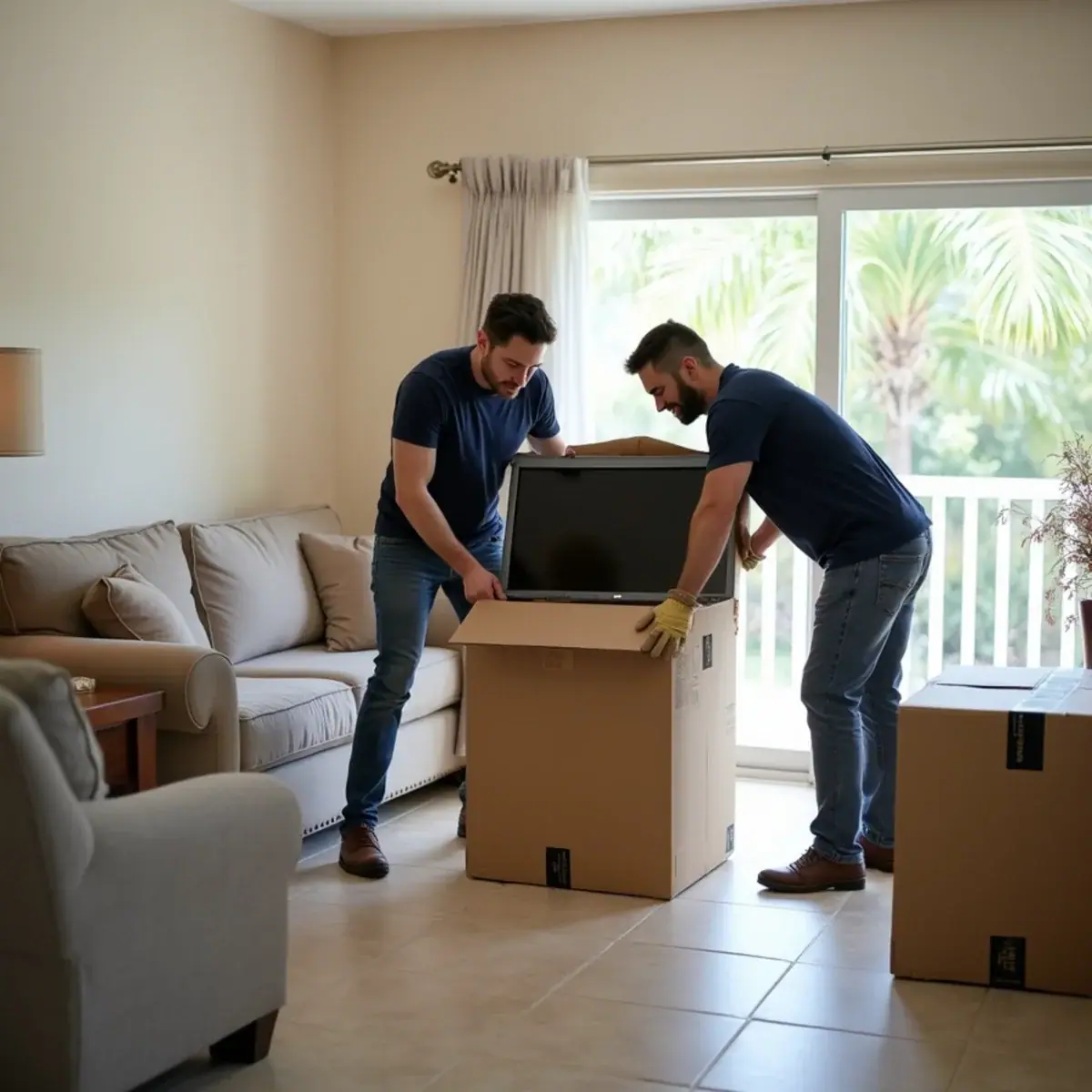
Living room and electronics
- Photograph the back of the TV and computer before unplugging so reconnecting is easy.
- Use original boxes or TV boxes for screens; never lay a flat-screen down flat.
- Wrap lamps and shades separately. Shades go in their own box, nothing heavy on top.
- Back up computers and carry laptops and hard drives with you.
Bathrooms
- Throw out near-empty bottles. Tape caps on the rest and bag them in zip-top bags.
- Keep prescriptions, a first-aid kit and toiletries for two days in your own bag.
- Dry towels and bath mats completely before packing.
Heat-sensitive items that should ride with you
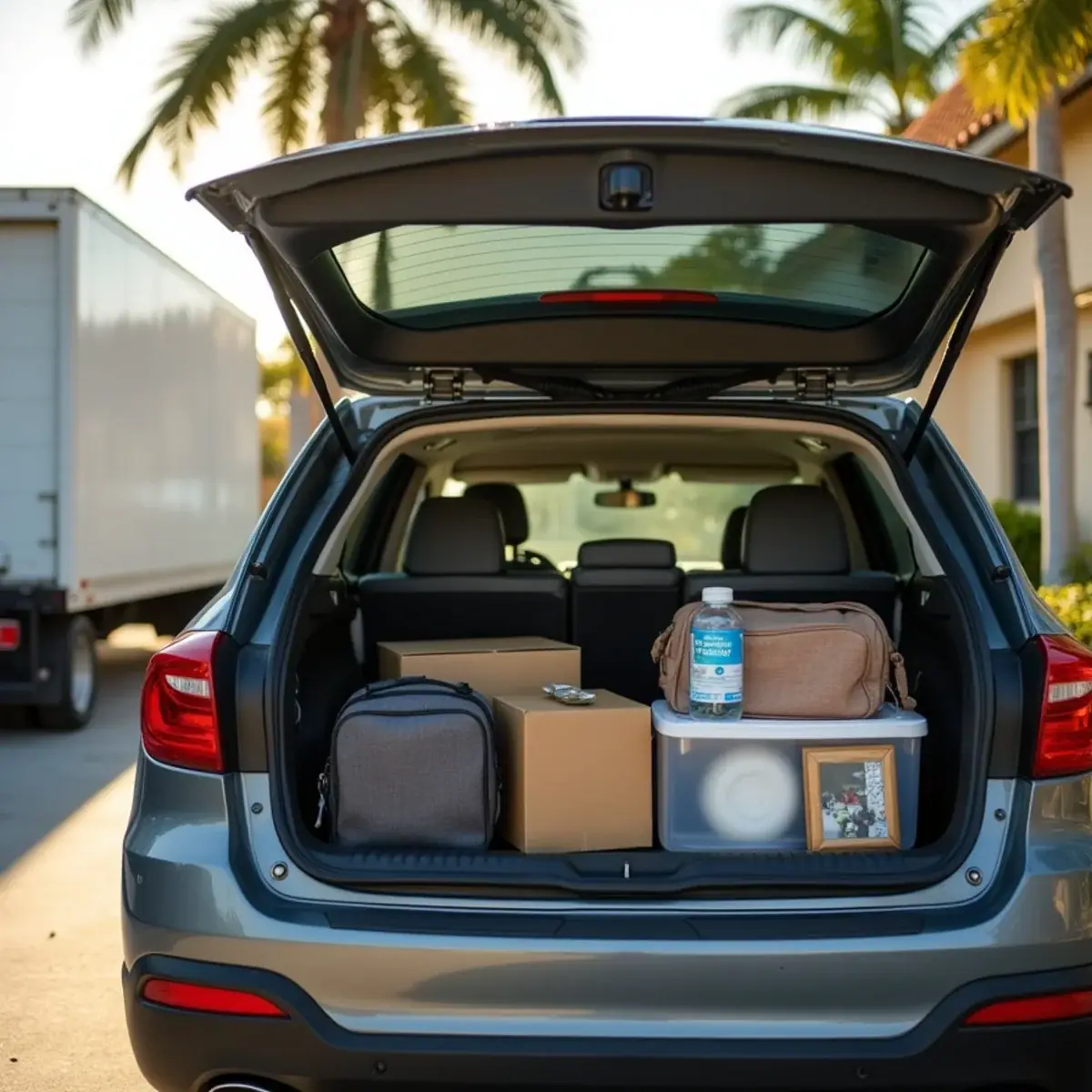
In summer the inside of a parked truck in South Florida gets hot enough to warp, melt or spoil things that would be fine in a northern move. Keep these in your air-conditioned car, or at least load them last and unload them first.
| Item | What can happen | Best plan |
|---|---|---|
| Medications | Lose strength in heat | Carry with you |
| Candles and wax | Soften and melt onto other items | Car, or pack in a cooler |
| Vinyl records | Warp | Car, upright |
| Photos and documents | Stick together in humidity | Car, in a sealed bin |
| Laptops, hard drives, phones | Heat damage and data risk | Carry with you |
| Wine | Cooks and spoils | Car, or move it separately |
| Houseplants | Wilt or scorch in a closed truck | Car, windows cracked |
The last 48 hours and the first-night box
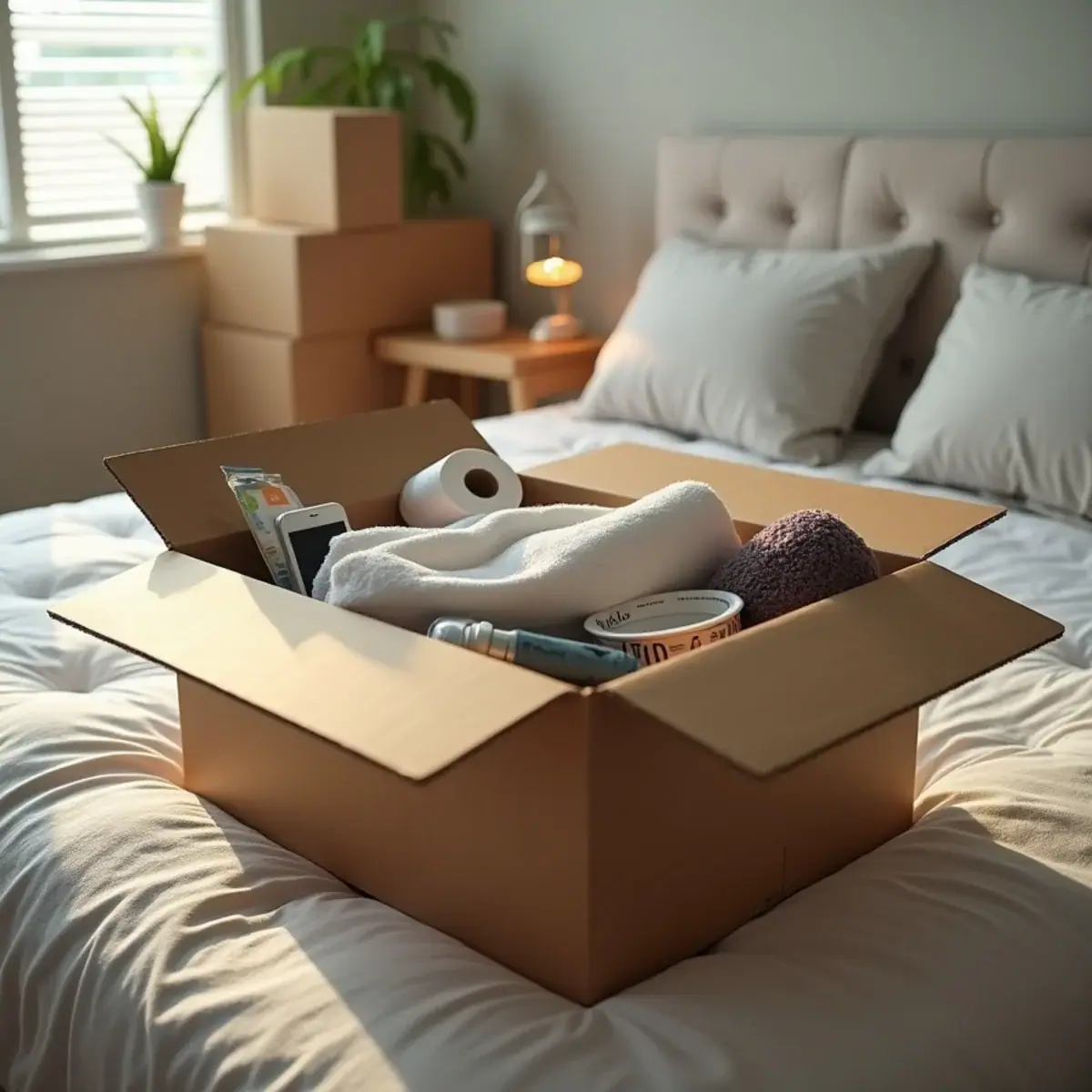
- Pack the first-night box: sheets, towels, a shower curtain, toilet paper, chargers, a few dishes, coffee, snacks and water.
- Set aside a tool bag with a screwdriver, box cutter, tape and bags for bolts.
- Walk every closet, cabinet and drawer once, including the lanai and attic.
- Clear a path from the door to the truck and stage boxes by room near the entry.
- Put the first-night box, documents and valuables in your car, not on the truck.
How many boxes to plan for, and what never needs one
Running out of cartons on the last night stalls more packing jobs than anything else. Count before you buy. The ranges below are typical planning numbers from moving box calculators for a household with an average amount of belongings. A book collection, a full garage or a home office pushes them up.
| Home size | Boxes, roughly | Specialty cartons |
|---|---|---|
| Studio | 15 to 20 | 1 wardrobe box, 1 dish pack |
| One bedroom | 20 to 30 | 1 to 2 wardrobe boxes, 1 dish pack |
| Two bedrooms | 35 to 50 | 2 to 4 wardrobe boxes, 1 to 2 dish packs |
| Three bedrooms | 60 to 80 | 4 to 6 wardrobe boxes, 2 dish packs |
| Four bedrooms or more | Usually 80 and up | Count closets and kitchen cabinets to size it |
Leave these for the crew
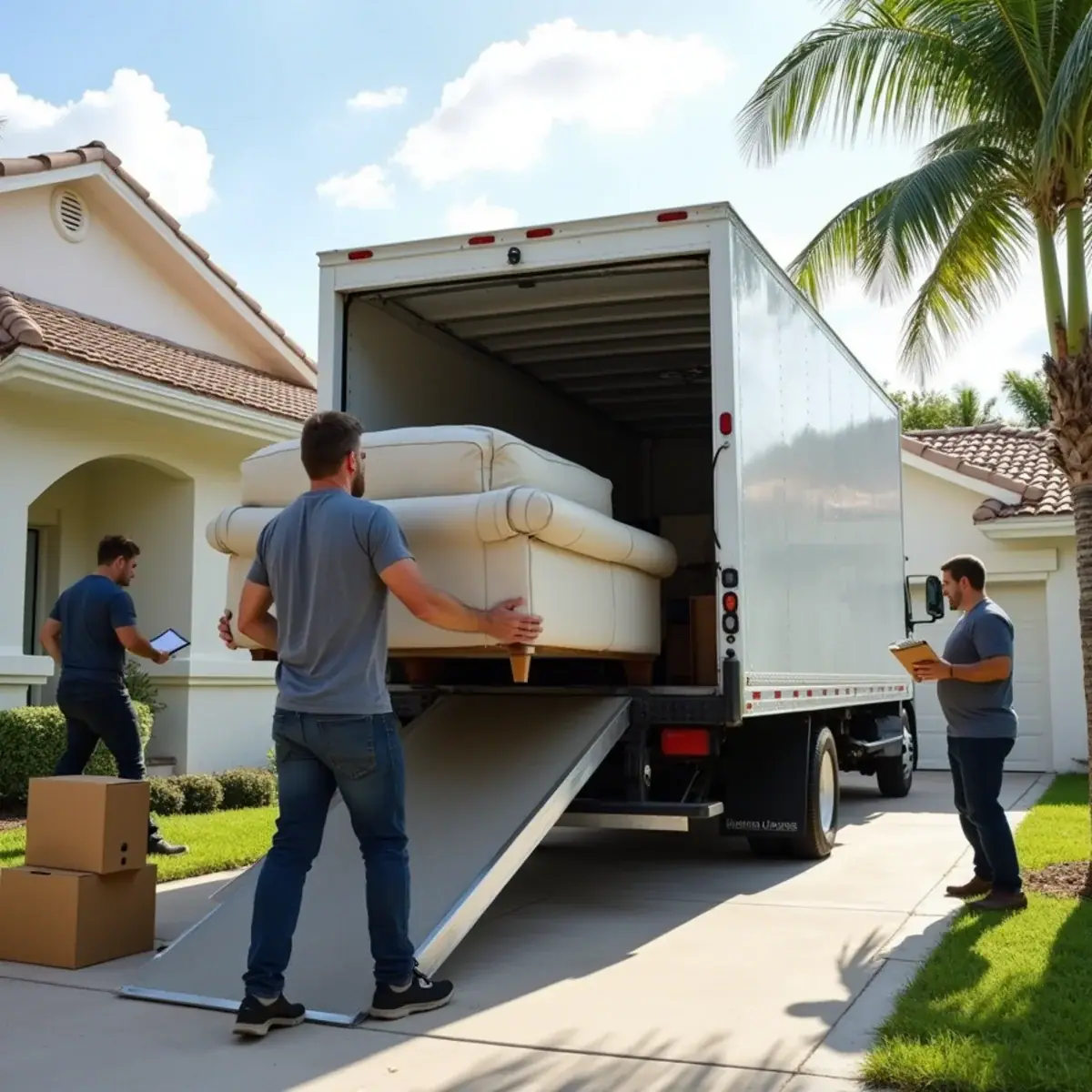
- Furniture. Empty drawers of breakables, pull out glass shelves, and let the crew pad and wrap the piece itself.
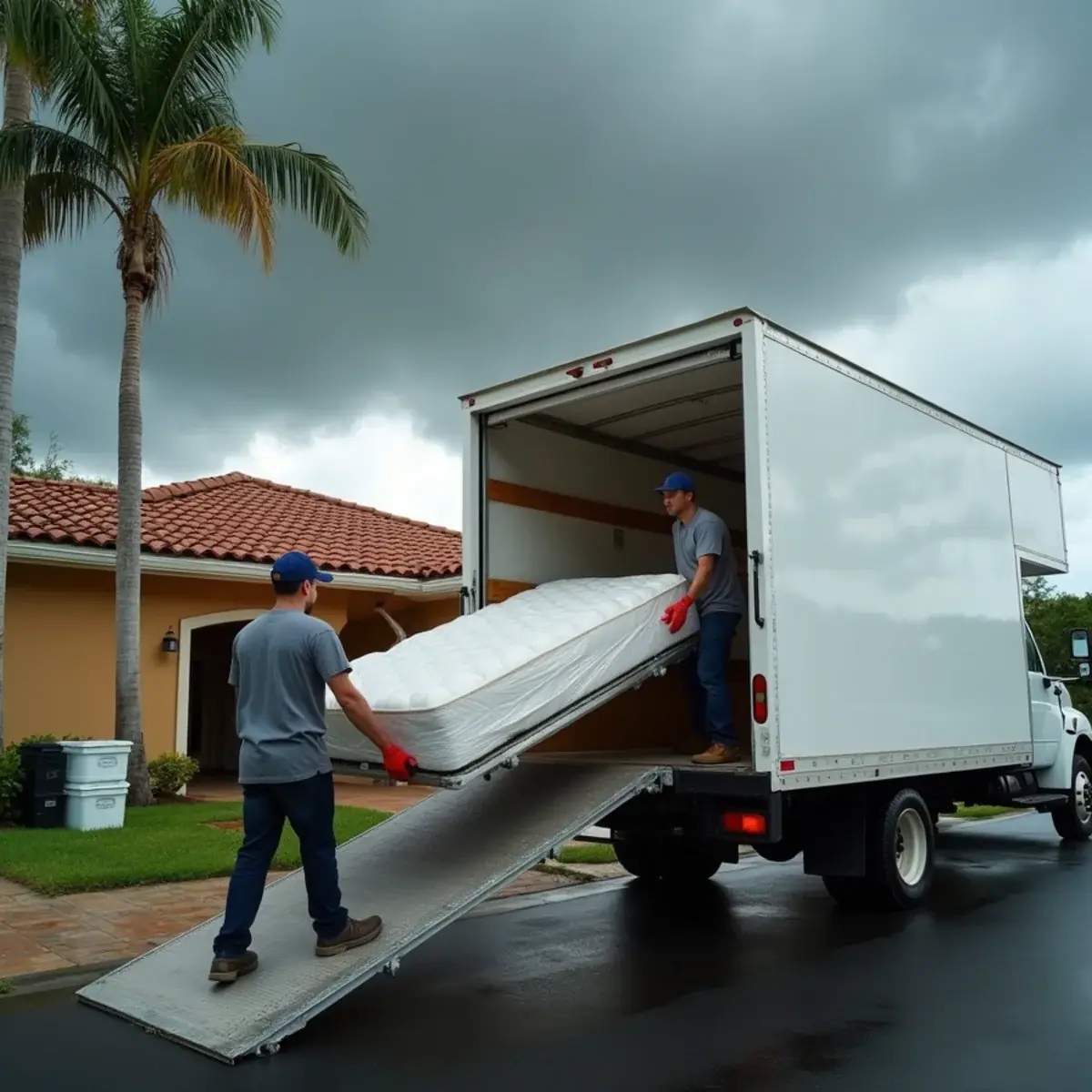
- Mattresses and box springs. Crews bring mattress bags; strip the bed and leave it.
- Large mirrors and framed art. Mention them on the call so mirror cartons come on the truck.
A marble-top table, a sleeper sofa or a tall armoire is worth naming up front so the mover sends furniture movers who wrap and carry heavy pieces. When you pack the boxes and the crew handles the rest, local moving crews in Coral Springs can list loading time and crew size on the written estimate.
What packers see go wrong in South Florida
The most common failure is boxes packed early and stored in the garage. A few weeks of humid air and the bottoms soften. When the crew lifts them, the bottom gives out and the contents hit the driveway. Keep finished boxes inside, stacked on a dry floor, and tape the bottoms well.
The second is plastic wrap on upholstered furniture in summer. It traps moisture against the fabric. Crews use moving pads on fabric and save plastic for hard surfaces. Many homes in Margate, FL are older single-story houses with carports and no climate-controlled storage, so this matters there. Pack during the cooler morning hours, and schedule the truck early too. Our post on moving during hurricane season covers rain plans.
Quick answers
How far ahead should I start packing for a move?
For a two- or three-bedroom home, start about three to four weeks out with the garage, storage and off-season items, and leave the kitchen and daily-use rooms for the final week. In South Florida, keep packed boxes indoors in air conditioning while you wait. Humidity weakens cardboard stored in a garage, and soft boxes fail when lifted.
What should I not pack in a moving truck in Florida?
Movers will not carry propane, gasoline, paint, aerosols, pool chemicals, ammunition or fireworks. Beyond that, keep heat-sensitive items with you: medications, candles, vinyl records, photos, important documents, electronics, wine and plants. A closed truck in South Florida summer gets very hot, and these items can warp, melt or spoil on the way.
Can packers do just the kitchen?
Yes. Partial packing is common, and the kitchen is the room most people hand off because it has the most fragile items and takes the longest. The crew brings dish packs and paper and wraps everything to a standard that holds up. Ask the mover to list kitchen packing and materials as separate lines on the written estimate.
Are plastic bins better than cardboard boxes in Florida?
For some things, yes. Lidded plastic bins keep humidity and rain away from documents, photos and electronics, and they do not soften if they sit a few weeks. Cardboard is still fine for most of the house if the boxes stay indoors in air conditioning. Do not seal books or linens in plastic bags, which trap moisture and invite mildew.
Pack in order, keep it cool, carry the essentials
Start with rooms you use least, keep boxes indoors, pack only dry items, leave hazardous materials behind and carry anything that heat can ruin. Load the first-night box into your own car last. If you would rather hand off some or all of it, call (831) 293-1195. We will match you with a registered, insured mover whose crew can pack, and the mover gives you a written estimate before move day.