Long distance movers in Coral Springs, FL are a different hire from a crosstown crew, and the call to Coral Go Movers is where the sorting starts. Tell us where you are headed, roughly what is coming with you and which dates work. We match you with an independent, registered, insured mover that runs that route, and the mover gives you a written estimate before move day.
Be clear on one thing up front: Coral Go Movers is a broker, not the carrier. We do not load, haul or price your goods. The company named on your estimate and bill of lading does, and that is the company whose registration you should check.
Below: the two rule books, how long-haul pricing works, what the estimate types mean and a week-by-week plan. If you are only moving across Broward, our local movers in Coral Springs page is the better fit.
Signs a long distance mover fits your move
Mileage alone does not settle it. A rental truck up the Turnpike to Orlando works for some households. For others it means two days behind the wheel of a 26-foot box truck while the new place sits empty. A long-haul carrier is usually worth it when:
- You are leaving Florida. Household goods crossing a state line need a carrier with a USDOT number and MC authority, which most local crews do not hold.
- The home is two bedrooms or bigger. Loading, driving and unloading a full house yourself over hundreds of miles is a week of work, not a weekend.
- Your closing and your start date do not line up. Storage-in-transit lets the carrier hold everything between pickup and delivery.
- A parent is leaving a 55+ condo. Associations around Coral Springs often set move hours and ask for a COI, and the carrier has to load inside those rules.
- You own pieces that need crating. A piano, framed art, a gun safe or a glass dining top travels better crated and listed on the inventory.
- An employer is paying. Relocation packages often expect a registered carrier, a written estimate and an itemized inventory.
- You cannot be at both ends. The carrier loads in Coral Springs while you fly ahead to meet the truck.
Sound like your move? Call (831) 293-1195 with the route and a date range. Still weighing a rental truck? Our guide to labor-only vs full-service movers covers the middle ground.
In-state vs out-of-state: two sets of rules
A move from Coral Springs to Jacksonville and a move to Atlanta can cover similar miles, yet they fall under different regulators. The state line decides which rules apply, not the distance.
| Within Florida (intrastate) | Leaving or entering Florida (interstate) | |
|---|---|---|
| Regulator | FDACS, under Florida's Chapter 507 | FMCSA, the federal motor carrier agency |
| What the mover must hold | Florida mover registration, cargo and vehicle insurance | A USDOT number and MC operating authority for household goods |
| Where to check | FDACS Check a Business lookup or 1-800-HELP-FLA | FMCSA's Protect Your Move site, by USDOT number |
| Paperwork before the move | Written estimate and contract signed by you and the mover | Written estimate, order for service, bill of lading and two federal consumer booklets |
This is a plain-language summary, not legal advice. Ask the mover which rules apply to your route and read the paperwork they give you.
What a long-distance move usually includes
The carrier's written estimate defines the scope. A full-service long haul typically covers:
- An in-home or video survey to build the inventory
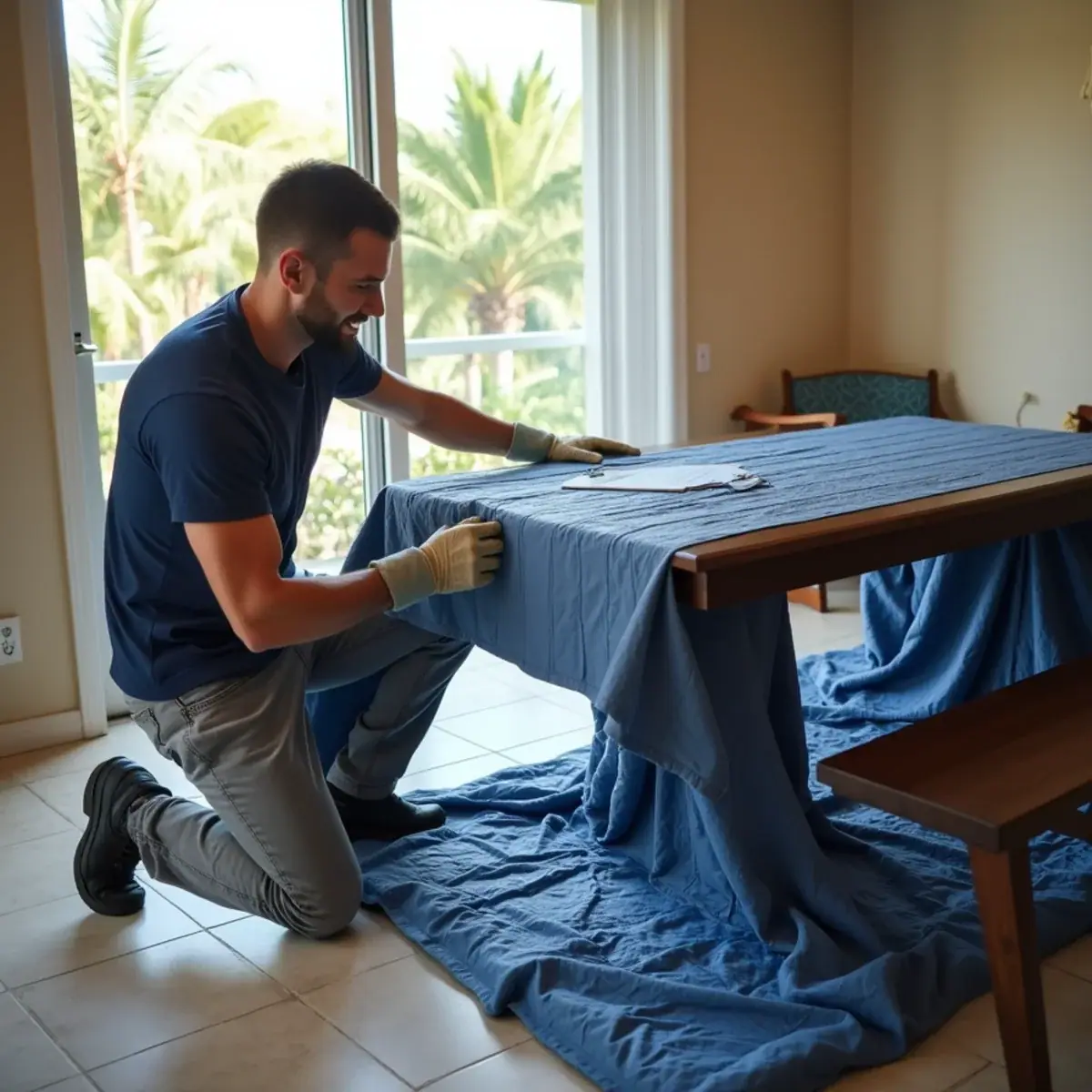
- Furniture pads, shrink wrap and mattress bags for the trip
- Disassembly and reassembly of beds, tables and other standard furniture
- A numbered inventory of every item, signed at pickup and checked at delivery
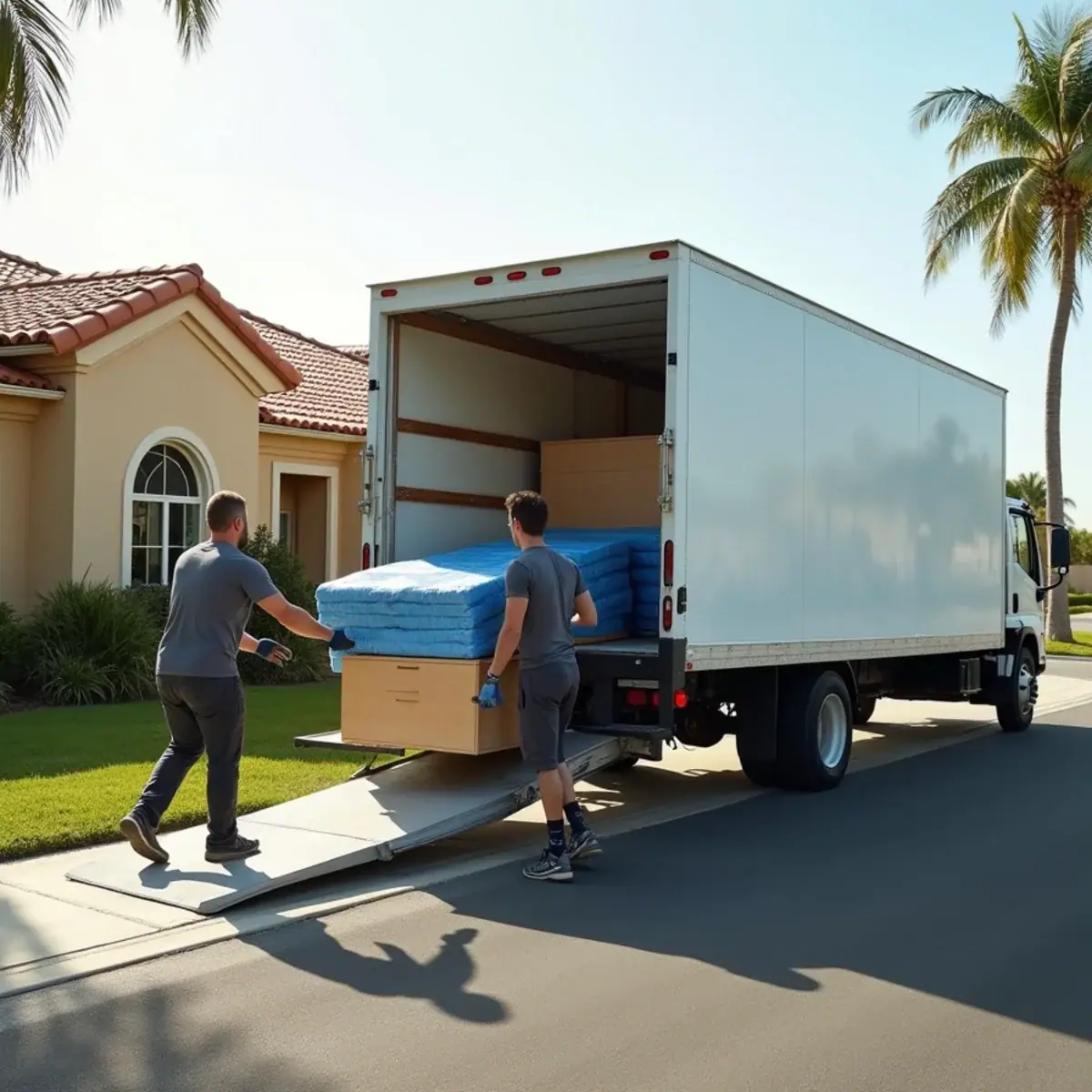
- Loading, transport on a shared or dedicated truck, and unloading into the rooms you choose
- Your choice of valuation level, recorded on the bill of lading
- Packing, crating and storage-in-transit, if you add them to the estimate
How a long-distance move is arranged
From the first call to the last box, the order looks like this.
- Tell us the route and datesOrigin, destination, home size and your flexible window. We match you with a registered mover that runs that lane, in-state or interstate.
- Survey and written estimateThe carrier surveys your home in person or by video and sends a written estimate that names the estimate type and lists every service.
- Check and bookYou check the carrier's FDACS registration or its USDOT and MC numbers, pick valuation and confirm pickup date and delivery window.
- Pickup dayThe crew tags and inventories everything, loads the truck and gives you the bill of lading to review and sign.
- DeliveryThe carrier calls ahead within the window, unloads, reassembles furniture and checks off the inventory with you.
Moves within Florida: Orlando, Tampa, Jacksonville and beyond
Most long hauls out of Coral Springs stay in the state. From the city, trucks pick up the Sawgrass Expressway to reach the major routes:
- Orlando: north on Florida's Turnpike, a single-day haul in most cases
- Tampa and St. Petersburg: the Turnpike to I-4, or west on I-75 across Alligator Alley and up the Gulf side, depending on traffic and the exact address
- Jacksonville: I-95 or the Turnpike north, a long day that sometimes turns into an overnight with delivery the next morning
- The Panhandle: a two-day trip in most cases, still under Florida rules
An in-state move is still covered by Chapter 507. Before any work starts, you and the mover sign a written estimate and contract that itemizes charges and extra services. The mover must be registered with FDACS and carry cargo liability insurance. If the destination is a gated community or condo, ask the new HOA for its move rules now, because a truck that arrives outside the move window waits, and waiting is billed.

Interstate moves: why the carrier's USDOT and MC registration matters
Once your goods cross the state line, federal rules take over. The company that actually hauls them needs a USDOT number and MC operating authority for household goods. Brokers need their own broker authority and must tell you they are brokers. Check the carrier, not just the company you first spoke with.
- Ask for the carrier's legal name, USDOT number and MC number in writing.
- Search the USDOT number on FMCSA's Protect Your Move site.
- Confirm the name matches your estimate and that the carrier is authorized for household goods.
- Read the complaint history and look for a physical address.
- Make sure you received Your Rights and Responsibilities When You Move and the Ready to Move brochure.
Walk away from these
A company that will not give a USDOT number, quotes a price over the phone without any survey, or asks for a large cash deposit is a risk. Our guide on how to check a mover's registration covers the red flags.
How long-distance pricing works: weight or volume, distance and dates
Local moves are billed by the hour. Long hauls are not. Most long-distance estimates are built on four things:
- Weight or volume. Interstate carriers usually price by the weight of the shipment, often confirmed on a truck scale before and after loading. Some price by cubic feet.
- Distance. The miles between origin and destination, with rates that step up by distance band.
- Dates. Summer, month-end and the weeks around school breaks book first and can cost more. A flexible pickup window can lower the price.
- Extra services. Packing, long carries, stairs, elevators, a shuttle truck where a full-size trailer cannot reach, and storage-in-transit each show up as separate line items.
An estimate is only as good as the inventory behind it. Insist on an in-home or video survey, show the mover every closet, the garage and the attic, and say what is not going. If you want the crew to box everything, add packing services to the survey so it is priced from the start.
On a weight-based move, the truck crosses a certified scale twice: empty (the tare weight) and loaded (the gross weight). The difference is your shipment weight. Ask for copies of both weight tickets. Federal rules let you watch the weighing, and if the number looks high you can ask for a reweigh before delivery.
Binding and non-binding estimates explained
On an interstate move, the type of estimate decides how much the final bill can move. Ask which one you are getting and make sure it says so in writing.
| Estimate type | What it means | What to watch |
|---|---|---|
| Binding | The price is fixed for the goods and services listed | Add items or services later and the price can be revised |
| Non-binding | A best estimate; the final bill follows actual weight and services | At delivery the mover cannot require more than 110% of the estimate; the rest is billed afterward with at least 30 days to pay |
| Binding not-to-exceed | You pay the lower of the binding price or the actual weight-based charge | Usually the most protective; not every carrier offers it |
The 110% rule protects you on delivery day, not on the total. A low non-binding estimate can still turn into a much larger bill a month later. Our guide to comparing moving estimates shows how to line two up side by side.
Delivery windows, shared loads and dedicated trucks
Long-distance carriers rarely promise a single delivery date. You get a pickup date and a delivery window, sometimes called spread dates, and the contract spells out what happens if the carrier misses it.
Shared loads
Most out-of-state moves ride on a consolidated truck with other households. The carrier fills the trailer, then drops each load along the route. It costs less, and the delivery window is wider because your goods wait for the rest of the load.
Dedicated trucks
An exclusive-use truck carries only your goods, straight to the new address. Delivery is tighter and more predictable, and the price is higher. It makes sense for larger homes or when you cannot live out of a suitcase for long.
Plan for the gap. If your lease or closing leaves a few days between pickup and delivery, ask whether storage-in-transit is available and what it adds.
Valuation coverage: released value vs full value protection
Valuation sets how much the carrier owes you if something is lost or damaged. On interstate moves you choose between two levels on the paperwork.
- Full value protection is the default. The carrier repairs the item, replaces it or pays its current market value. Carriers may limit what they owe for items of unusually high value per pound unless you list them on the inventory.
- Released value costs nothing extra, but you must waive full value in writing to get it. It pays only a set amount per pound per article, so a light but expensive TV or laptop gets very little.
Valuation is not insurance. Separate third-party moving insurance exists if you want more. Boxes you pack yourself may be limited unless the damage is obvious from the outside. If something arrives broken, note it on the delivery paperwork and file a written claim within nine months. Our mover liability and valuation guide goes deeper.

A planning timeline for leaving or arriving in Coral Springs
- Eight to ten weeks out: call us, get matched and book surveys. Summer moves need the longest lead.
- Six weeks: compare written estimates on the same inventory and check each carrier's FDACS registration or USDOT and MC numbers.
- Four weeks: book the carrier, choose valuation, and ask both HOAs or building managers for move hours and COI requirements.
- Two weeks: sort, sell and donate. Set aside propane, paint, aerosols and pool chemicals, which carriers will not haul.
- Move week: pack a bag with medications, documents, chargers and a few days of clothes. Keep candles, photos and electronics out of a hot truck where you can.
- Delivery day: check every inventory number, note damage on the paperwork before you sign and keep copies.
Arriving rather than leaving? The Coral Springs end has its own rules. Most gated communities want the carrier's name on the gate list and a COI for the association, and summer afternoon storms can stall unloading.
Cars, plants, pets and what rides with you instead
A household goods carrier hauls furniture and boxes. Several things people assume will go on the van usually do not, and finding out on pickup day is too late.
- Vehicles. Cars normally travel with a separate auto transport company on an open or enclosed car carrier, not inside the moving van. Some movers arrange it through a partner. Check that the auto transporter holds its own FMCSA authority and gives you a written pickup window.
- Houseplants. Many long-haul carriers will not take plants, and some states inspect or restrict plants coming in. Check the destination state's agriculture department before you pack the patio pots.
- Pets. Carriers do not transport animals. Plan their trip separately, with records from your vet.
- Perishable food and open liquids. Most carriers refuse them on long hauls, so use up the freezer in the final two weeks.
Heading into Florida rather than out? Moving and rental trucks on the main highways into the state pass FDACS agricultural inspection stations, so a carrier coming south may lose a little time at the state line. Build that into the delivery-day plan for your Coral Springs address.
Why movers leaving Coral Springs call Coral Go Movers
- Matched to your routeA crew that does great local work may not run interstate. We match you with a mover set up for your lane and the rules that go with it.
- Registered and insuredEvery mover we send is registered with the State of Florida as required and insured. For interstate moves, check the carrier's USDOT and MC numbers too.
- Written terms before you commitThe mover puts the estimate type, services and valuation choice in writing before move day, so you are comparing real numbers.
- Local knowledge at this endGate lists, HOA move windows and summer storm timing in Coral Springs are part of the plan, whether you are leaving or arriving.
Long Distance Movers: questions from Coral Springs customers
How far ahead should I book a long-distance move from Coral Springs?
Book eight to ten weeks ahead for a summer or month-end move, and four to six weeks ahead for a mid-month date in the cooler months. That leaves time for surveys, two or three written estimates and checking each carrier's registration. Shorter notice is possible, but the choice of carriers and dates narrows.
How do I check an interstate mover's registration?
Ask the carrier for its USDOT and MC numbers in writing, then search the USDOT number on FMCSA's Protect Your Move site. Confirm the legal name matches your estimate, that it is authorized to move household goods, and read its complaint history. For moves within Florida, use the FDACS Check a Business lookup instead.
What is the difference between a binding and a non-binding estimate?
A binding estimate fixes the price for the goods and services listed, while a non-binding estimate is a best guess that follows the actual weight and services. On a non-binding interstate estimate, the carrier cannot require more than 110% of the estimate at delivery; any balance is billed afterward with at least 30 days to pay.
How long does delivery take on an out-of-state move?
It depends on distance and whether your goods ride on a shared or dedicated truck. Carriers give a delivery window rather than a single date, and shared loads have wider windows because the truck makes other stops. A dedicated truck usually delivers sooner. Get the window in writing before you sign.
Can you help with a move into Coral Springs from another state?
Yes. The call works the same way for arrivals: tell us the origin, the Coral Springs address and your dates, and we match you with a carrier that runs that route. Ask your new HOA or building about move hours, the gate list and COI requirements early so the truck is not held at the entrance.
Can the moving company ship my car too?
Usually not on the same truck. Household goods carriers move furniture and boxes, while cars go with an auto transport company on an open or enclosed car carrier. Some movers book that through a partner. Either way, the auto transporter needs its own FMCSA authority and should give you a written quote and pickup window. Empty the car and photograph it before it is loaded.
Can I watch my shipment being weighed?
Yes. On an interstate move priced by weight, federal rules let you observe the weighing, and you can ask for copies of the weight tickets showing the truck's empty and loaded weights. If the shipment weight looks wrong, you can request a reweigh before delivery. Ask the carrier during the estimate how it schedules weighing so you can be there or send someone.
Page reviewed by Coral Go Movers.