Quick answer
Photograph your furniture before loading. At delivery, write any damage on the paperwork before you sign. Then file a written claim through the mover's claims channel with photos and the inventory, inside the contract's deadline. On interstate moves you have 9 months to file. For in-state disputes, FDACS takes complaints.
A moving damage claim in Florida is won or lost on paper, mostly before you know anything is broken. Photos taken before loading, a note on the delivery receipt, and a written claim filed on time are what the mover's claims department looks for. Without them, a scratched table becomes your word against the crew's.
This is the order to follow, from the night before the truck arrives to the letter you send if the mover's answer falls short. It is a practical guide, not legal advice; your contract sets the exact terms.
Before loading: build a photo inventory
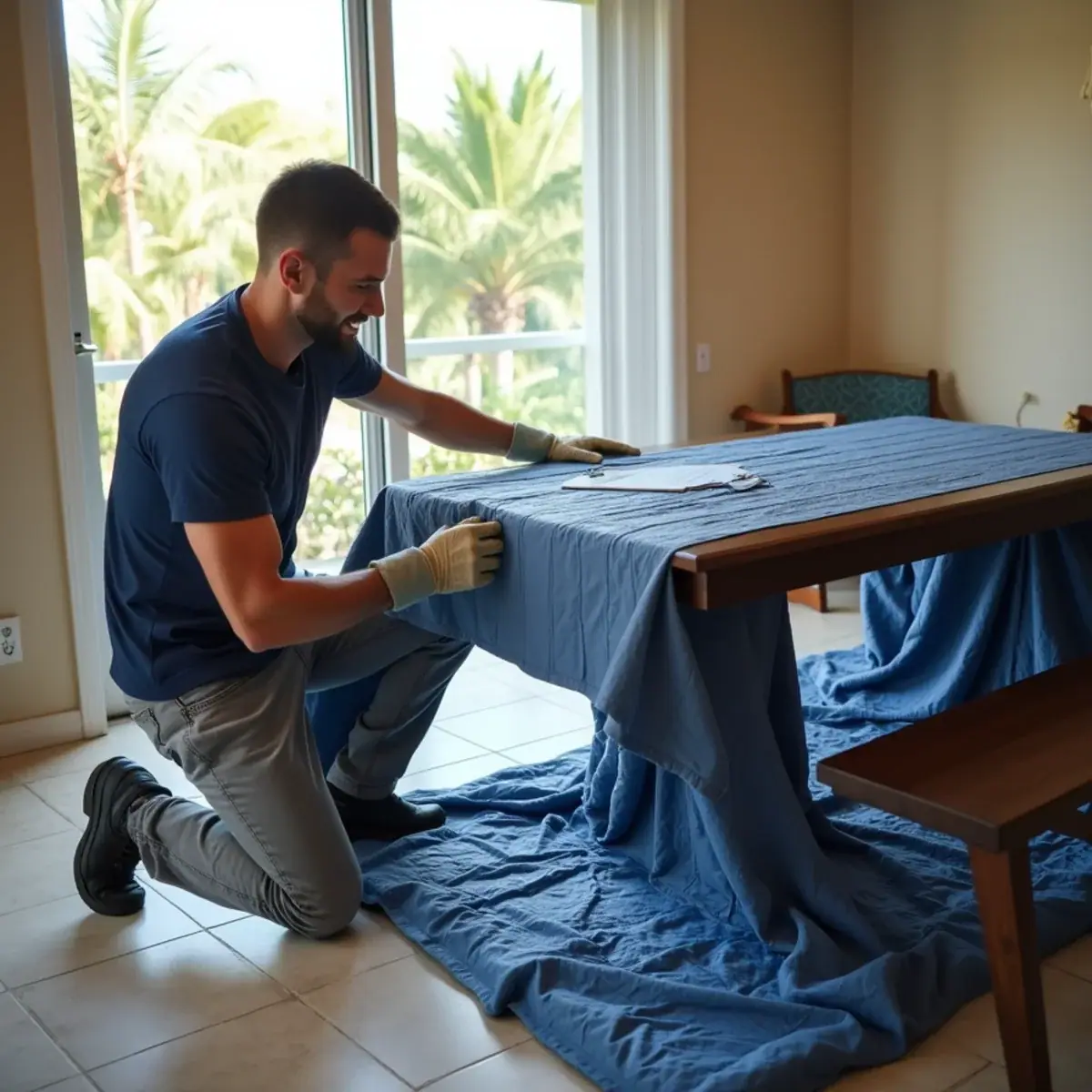
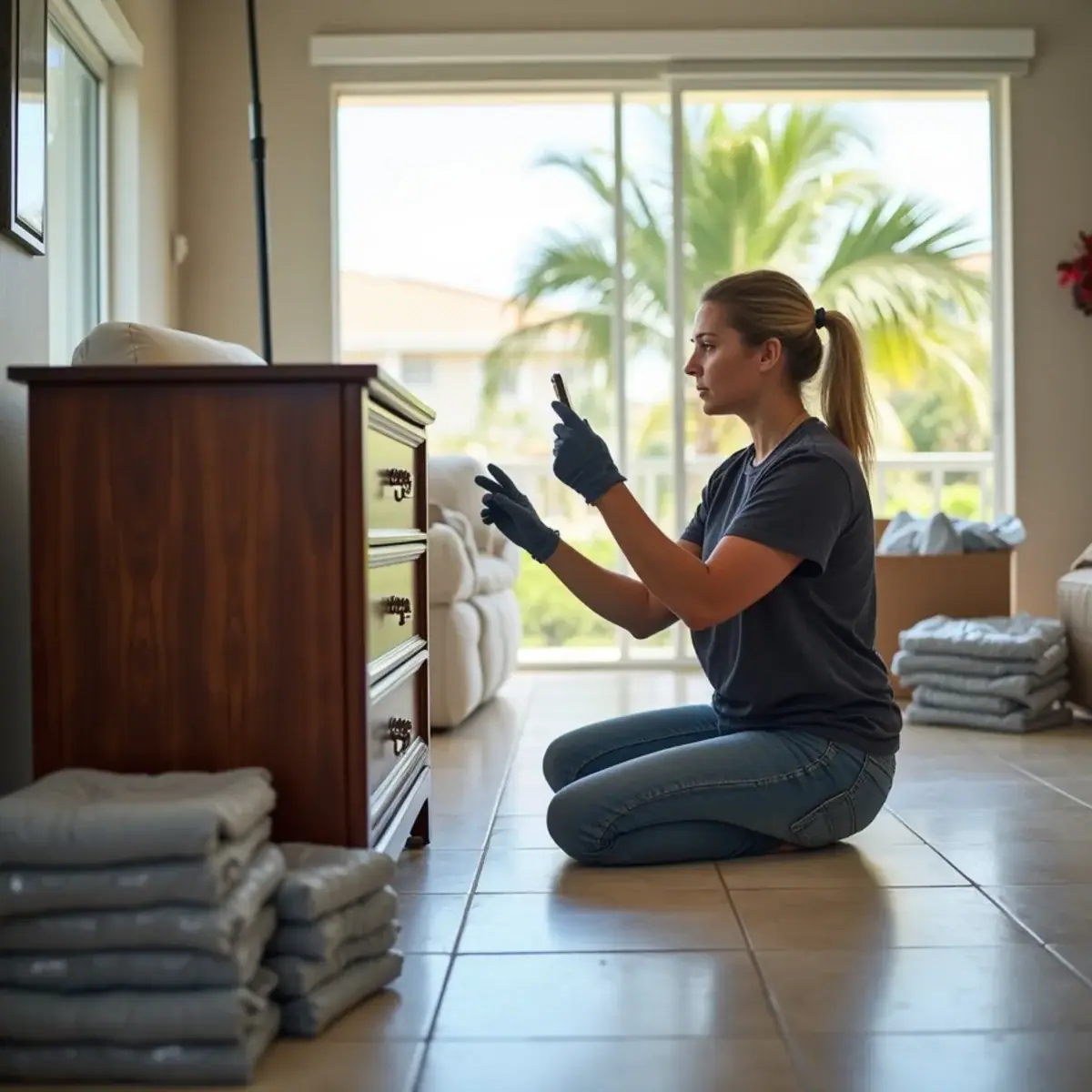
The claim starts before the move. Ten minutes with a phone camera the evening before gives you the one thing the mover cannot argue with: a dated picture of the item in good shape.
- Shoot every large piece from all sides. Tabletops, dresser fronts, sofa arms and the legs of anything wooden.
- Get close on existing marks. Note old scratches yourself so they are not confused with new ones.
- Photograph electronics running, with the screen on, and record serial numbers.
- Number your boxes and keep a simple list of what is in each, especially fragile ones.
- Check the crew's inventory sheet. On larger moves the crew may tag items and note their condition. Read those notes before you sign them; a remark like "scratched" on a piece that is not scratched weakens a later claim.
Heavy and valuable pieces deserve extra care at this stage. Our furniture movers page explains how large items are padded, taken apart and reassembled, which is also where most damage happens.
At delivery: write it down before you sign
The delivery receipt is the most important page in the claim. Once you sign it clean, you are on record saying everything arrived in good condition.
- Walk the rooms with the crew lead before signing anything.
- Look at the big pieces closely: corners, legs, glass, upholstery.
- Write each problem on the paperwork in plain words: "dresser top, 6-inch scratch, left side".
- Note any missing box numbers and any carton that is crushed or wet.
- If time is short, write "subject to inspection for concealed damage" and photograph the signed page.
Do not throw out the evidence
Keep the damaged item, the box it came in and the packing material until the claim is settled. A claims adjuster may ask to inspect them, and a crushed carton tells a story your photos alone cannot.
How do you file the claim itself?
File in writing, through the channel your contract names. A phone call to the crew lead or the office is useful, but it is not a claim. Ask for the claims address or form and use it.
What to include
- Your name, both addresses, the move date and the contract or order number.
- A list of each damaged or missing item with its inventory or box number.
- Before and after photos for each item.
- A repair estimate or proof of replacement cost where you have one.
- A copy of the delivery receipt showing your notes.
- The amount you are claiming, and how you reached it.
Then keep a file
Send the claim in a way you can prove, and keep copies of everything: the claim, every reply, receipts and repair quotes. Write down the name and date of each phone call. Claims can take weeks, and a tidy file keeps the conversation on facts.
Interstate moves: the federal timeline
If your goods crossed a state line, federal rules apply and the deadlines are set out in writing. Movers must give you the booklet "Your Rights and Responsibilities When You Move", which covers them in detail.
| Step | Deadline | Who acts |
|---|---|---|
| File a written claim | Within 9 months of delivery | You |
| Acknowledge the claim | Within 30 days of receiving it | The mover |
| Pay, decline or make a settlement offer | Within 120 days of receiving it | The mover |
What you receive depends on the valuation you chose. Full Value Protection is the default: the mover repairs the item, replaces it or pays its current market value. If you signed to waive it for Released Value, federal rules set the mover's liability at 60 cents per pound per article, so a damaged 50-pound side table is worth very little on paper. Our long distance movers page explains how to choose valuation before an out-of-state move. Not legal advice.
In-state Florida moves: the contract and FDACS
For a move that starts and ends in Florida, Chapter 507 applies. Florida law requires a registered mover to carry cargo liability insurance of at least $10,000 per shipment (or a bond for some small operators). That is the mover's coverage, not a promise that every item is replaced at full value. What you are actually owed depends on the valuation terms in your written contract.
- Read the claims section of your contract for the filing deadline and the address. The federal 9-month rule is written for interstate moves, so do not assume you have that long on an in-state move.
- File with the mover first, in writing, with the evidence above.
- If the mover will not respond or the answer is unreasonable, file a complaint with the Florida Department of Agriculture and Consumer Services (FDACS) at fdacs.gov or by calling 1-800-HELP-FLA (1-800-435-7352).
- Broward County Consumer Protection licenses movers based in the county for local moves and is another place to ask about a Broward mover.
For the difference between valuation, the mover's insurance and separate moving insurance, read mover liability and valuation in Florida. Not legal advice.
What if the mover denies the claim or offers too little?
A low offer is not the end of the claim. First, hold the offer up against the valuation you chose. Under released value, a small check may be exactly what the contract allows, and arguing about the item's price will not change it. Under fuller protection, ask the mover to show how it valued the item: repair cost, replacement cost or a depreciated value.
- Answer in writing. Name each item you dispute, say why, and state what you are asking for. Attach a repair quote or a comparable replacement listing.
- Ask for the reason in writing. "Packed by owner" and "no exception noted at delivery" are the two denial reasons you will see most often.
- On an interstate move, request arbitration. Federal rules require interstate household goods movers to offer an arbitration program, and it is binding on claims of $10,000 or less when you request it. The mover must describe the program before you sign the bill of lading and cannot charge you more than half its cost.
- On an in-state move, file with FDACS if the mover stops replying or will not explain its decision. Send your contract, the claim and every reply.
- Consider small claims court for lower-value disputes. The Broward County Clerk of Courts can tell you the current limit and filing steps.
Adjusters settle files that are easy to verify, and photos, a dated delivery note and a repair quote make yours easy. For the pieces you care about most, having the crew pack them through packing services avoids the packed-by-owner argument entirely. For a large loss, talk to a Florida attorney; this is not legal advice.
Where moving claims usually fall apart
Most claims that fail do not fail on the damage. They fail on the paperwork: a clean delivery receipt, no before photos, or a box marked "packed by owner". Movers often limit what they owe on boxes you packed yourself unless the carton itself is visibly damaged, so a broken lamp in an intact self-packed box is a hard claim to win.
Large homes are where this shows up most. On a big Parkland delivery the crew may unload for hours, and by the end everyone wants to sign and be done. Slow down at that moment. A five-minute walk through the main rooms with the crew lead protects a claim far better than a long email a week later. See movers in Parkland for how long those deliveries tend to run.
Quick answers
How long do I have to file a moving damage claim in Florida?
It depends on the move. For an interstate move, federal rules give you 9 months from delivery to file in writing. For a move within Florida, the deadline comes from your written contract with the mover, so read its claims section as soon as you find damage. Filing quickly is always safer than waiting. This is general information, not legal advice.
Can I still file a claim if I signed the delivery receipt?
Often yes, but it is harder. Damage you could not see at delivery, inside a sealed box for example, can still be claimed in writing within the deadline. Damage that was visible and not noted on the receipt is easier for the mover to dispute. Photograph the item, keep the packaging and file promptly with as much evidence as you can.
What does 60 cents per pound mean on a moving claim?
It is the federal released-value rate on interstate moves: if you waived Full Value Protection, the mover's liability is 60 cents per pound for each damaged article. A 40-pound television would be worth a small fraction of its price under that rate. That is why valuation is worth choosing deliberately before move day, especially for light but expensive items.
Does homeowners insurance cover furniture damaged by movers?
Sometimes, but do not assume it. Many homeowners and renters policies limit or exclude belongings while they are in a mover's truck, and the mover's valuation terms usually come first. FDACS suggests confirming your coverage before the move and arranging extra protection if it falls short. Call your insurer before move day and ask how a moving loss would be handled.
Start the claim before anything breaks
Photos before loading, notes before signing, a written claim before the deadline: that sequence is the whole method. It also helps to start with a mover whose contract spells out the claims process. When you call Coral Go Movers, we match you with an independent local mover, and that mover gives you a written estimate and contract with its valuation and claims terms before move day. Every mover we send is registered with the State of Florida as required and insured. Call (831) 293-1195 to check dates.